
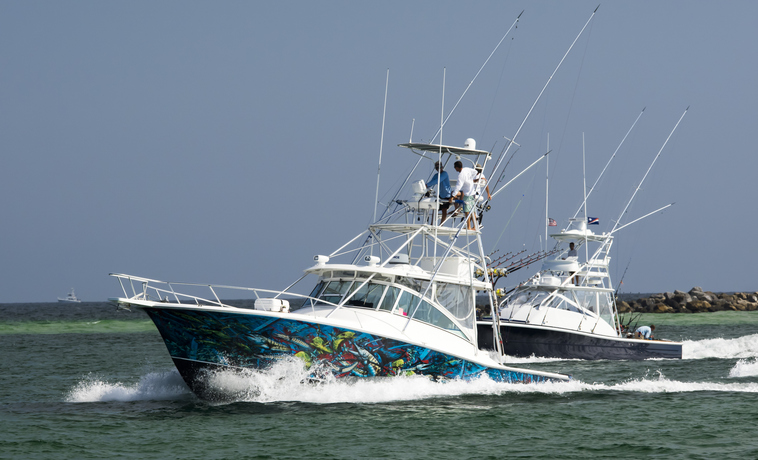
 Pensacola is known for its beautiful waterways, from Pensacola Bay to the Gulf of Mexico. Boating is a way of life here. But when a day on the water turns into a serious accident, the confusion and stress can feel overwhelming.
If you or a loved one has been injured, knowing the right steps to take after a boating accident in Pensacola can protect both your health and your legal rights. Acting quickly and carefully can make a significant difference in your recovery and in any claim you may need to file.
At Michael E. Fenimore, P.A., we have helped injured victims throughout Northwest Florida understand their options and pursue compensation after devastating marine accidents. Here is what you need to know.
1. Prioritize Safety and Get Medical Attention
Your first concern after any boating accident should always be safety. Check yourself and others for injuries. If anyone is hurt, call 911 immediately and request emergency medical assistance. The Florida Fish and Wildlife Conservation Commission often responds to serious boating accidents in Pensacola waters, along with local law enforcement and emergency responders.
Even if injuries seem minor, seek medical care as soon as possible. Some injuries, such as concussions, internal bleeding, or soft tissue damage, may not show symptoms right away. A prompt medical evaluation not only protects your health but also creates documentation that may be essential later.
Delaying medical treatment can make it harder to connect your injuries to the accident. Insurance companies may argue that your injuries were not serious or were caused by something else. Do not give them that opportunity.
2. Report the Accident as Required by Florida Law
Under Florida law, boating accidents must be reported if they involve:
- Death or disappearance of a person
- Injuries requiring medical treatment beyond first aid
- Damage to a vessel or property exceeding a certain threshold
The Florida Highway Safety and Motor Vehicles website outlines general boating safety requirements and reporting obligations.
In many Pensacola cases, the responding officer will complete a boating accident report. Make sure your version of events is accurately documented. If possible, request a copy of the report for your records.
This official report often plays a key role in determining fault and liability.
3. Gather Evidence at the Scene
If you are physically able, collect as much information as possible at the scene. Water conditions can change quickly, and vessels may leave the area soon after the incident.
Important evidence includes:
- Names and contact information of all boat operators and passengers
- Boat registration numbers
- Insurance information
- Photographs of the vessels, visible injuries, property damage, and water conditions
- Contact information for witnesses
Take clear photos from multiple angles. Document weather conditions, visibility, and any potential hazards in the area.
According to the U.S. Coast Guard Recreational Boating Statistics, operator inattention and inexperience are leading causes of boating accidents nationwide. Capturing evidence early can help establish whether negligence played a role in your crash.
4. Avoid Admitting Fault
It is natural to feel shaken after an accident. Many people apologize out of politeness, even when they did nothing wrong. However, statements made in the heat of the moment can later be used against you.
Stick to factual information when speaking with law enforcement or other boaters. Do not speculate about what happened. Avoid discussing blame at the scene.
Determining liability in a boating accident often requires a detailed investigation of navigation rules, waterway conditions, vessel maintenance, and operator behavior. What seems obvious in the moment may not reflect the full legal picture.
5. Notify Your Insurance Company Carefully
Most boat owners carry marine insurance, and some homeowner policies may provide limited coverage. You should notify your insurer about the accident promptly.
However, be cautious when speaking to insurance adjusters. Provide basic facts but avoid giving recorded statements until you have legal guidance. Insurance companies often look for ways to minimize payouts, especially in cases involving serious injuries or significant property damage.
If another party’s insurer contacts you, it is wise to consult with a Pensacola boat accident attorney before engaging in detailed discussions.
6. Understand Florida’s Comparative Fault Rules
Boating accidents are not always clear cut. In some cases, more than one party may share responsibility. Florida follows a modified comparative negligence system, which can reduce your compensation if you are found partially at fault.
For example, if you were speeding but another operator failed to yield, liability may be divided between both parties.
We often explain the nuances of this system to clients who are concerned about whether they can still recover damages. You can learn more about filing a claim if you were partially at fault for a boat accident and how shared responsibility may impact your case.
Even if you believe you contributed in some way, you may still have a valid claim. Do not assume you are barred from seeking compensation without speaking to an attorney.
7. Document Your Injuries and Recovery
In the days and weeks following the accident, keep detailed records. Save:
- Medical bills and treatment records
- Prescription receipts
- Physical therapy documentation
- Proof of lost wages
- Photos showing the progression of injuries
Consider keeping a simple journal describing your pain levels, emotional distress, and how your injuries affect daily life. These personal details can be powerful evidence when negotiating a settlement or presenting your case in court.
Comprehensive documentation strengthens your claim and helps demonstrate the true impact of the accident.
8. Know the Types of Compensation Available
A serious boating accident can result in substantial financial strain. Medical expenses, lost income, and long term rehabilitation costs can add up quickly.
Depending on the circumstances, you may be entitled to various forms of compensation. These may include medical expenses, lost wages, diminished earning capacity, property damage, pain and suffering, and in some tragic cases, wrongful death damages.
We provide a detailed breakdown of the types of compensation you can recover from a boat accident so victims understand the full scope of their rights.
Every case is unique. The value of your claim will depend on the severity of your injuries, the clarity of liability, and the long term consequences of the crash.
9. Be Aware of Florida Boating Accident Trends
Understanding how and why boating accidents occur in Florida can provide helpful context. Florida consistently ranks among the states with the highest number of recreational boating accidents.
If you are interested in local data, our overview of Florida boating accident statistics highlights common causes and trends that affect communities like Pensacola.
Alcohol use, operator inexperience, and failure to follow navigation rules frequently contribute to collisions. Awareness of these patterns reinforces the importance of thorough investigations in every case.
10. Speak with a Pensacola Boat Accident Attorney
Boating accident claims can involve complex legal issues. Unlike car accidents, maritime cases may intersect with federal admiralty law, state negligence standards, and specialized insurance policies.
An experienced Pensacola boat accident attorney can help you:
- Investigate the cause of the accident
- Preserve critical evidence
- Identify all responsible parties
- Handle communications with insurers
- Calculate the full value of your damages
- Negotiate or litigate on your behalf
At Michael E. Fenimore, P.A., we understand how deeply a boating accident can disrupt your life. We take a hands on approach, treating every client with respect and personal attention.
Why Acting Quickly Matters
Florida law imposes time limits for filing personal injury claims. Waiting too long can jeopardize your ability to recover compensation. Evidence may disappear, witnesses may become harder to locate, and memories can fade.
Prompt legal guidance ensures that your case is handled properly from the start. Early intervention can also prevent costly mistakes when dealing with insurance companies.
Common Causes of Boating Accidents in Pensacola
To better understand your situation, it helps to recognize common causes of local boating accidents:
- Operator inattention
- Excessive speed
- Boating under the influence
- Improper lookout
- Mechanical failure
- Failure to follow navigation rules
Pensacola’s busy waterways, especially during peak tourist seasons, increase the risk of collisions and serious injuries. Crowded conditions demand heightened vigilance from every operator.
Injuries Frequently Seen in Boating Accidents
Boating accidents can result in severe and life altering injuries, including:
- Traumatic brain injuries
- Spinal cord injuries
- Broken bones
- Lacerations and propeller injuries
- Drowning and near drowning incidents
- Burns from onboard fires or explosions
These injuries often require extensive medical care and long term rehabilitation. In catastrophic cases, victims may face permanent disability.
Protecting Your Future After a Boating Accident
Taking the right steps after a boating accident in Pensacola is about more than checking boxes. It is about protecting your health, your financial stability, and your future.
From seeking immediate medical attention to consulting with a knowledgeable attorney, each action you take can influence the outcome of your claim.
If you or someone you love has been injured on the water, do not navigate the legal process alone. Michael E. Fenimore, P.A. is committed to helping Pensacola residents pursue justice and accountability after serious boating accidents.
When you are ready to discuss your case, our firm is here to listen, answer your questions, and guide you through every step with clarity and compassion.